
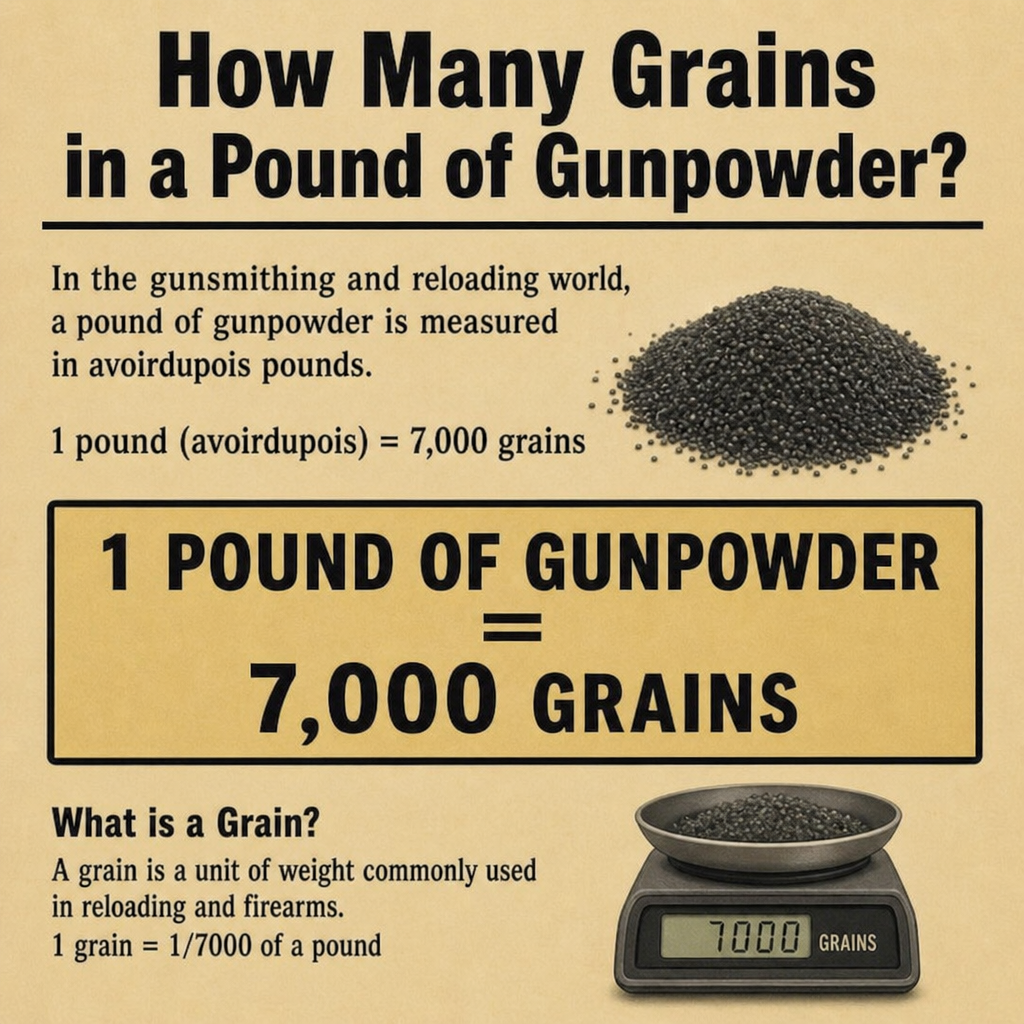
Have you ever wondered exactly how many grains in a pound of gunpowder? Whether you’re a seasoned reloader or just getting started, understanding the grain weight of gunpowder is essential for ensuring accuracy and safety. In this comprehensive guide, we’ll break down everything you need to know about the grains in a pound of gunpowder, the types of powder available, and practical reloading tips to help you get the most out of your ammunition. If you’ve asked how many grains are in a pound of powder or how many grains in a lb, this guide answers those questions and offers practical notes on ammunition powder measurement.
How Many Grains in a Pound of GunPowder?
Let’s get straight to the point: there are 7,000 grains in a pound of gunpowder. Whether you’re using ++smokeless powder++ or ++black powder++, this measurement holds true. The grain is the standard unit of weight when it comes to gunpowder, and it is crucial for accurate ammunition reloading. In other words, the powder grains to pounds conversion is fixed: 7,000 grains always equal one pound, so whenever you see how many grains of powder in a pound, the answer is the same.
Understanding Grain Weight and GunPowder Types
- Smokeless Powder : Modern smokeless powder is commonly used in most firearms today due to its efficiency and cleaner burn compared to traditional powders. It has higher energy content and is typically measured in grains to ensure precise reloading.
- Black Powder : The original form of gunpowder, black powder is still used in historical firearms and reenactments. It produces more smoke and has a different energy density than smokeless powder, but like smokeless powder, there are also ++7,000 grains per pound++.
Why Grain Measurement Matters for Reloading
When it comes to ++reloading ammunition++, accuracy is key. The measurement of gunpowder in grains allows reloaders to get the exact amount of powder needed for safe and efficient shooting. For example, a typical rifle cartridge might require 20 to 60 grains of powder, while a smaller pistol round might only need 3 to 10 grains. Reloaders often log reloading powder grains charge-by-charge to verify consistency and safety.
Bullet Grain Weight Explained
Bullet grain weight explained: the term “grain” is also used to describe bullet mass. This refers to the projectile’s weight and is separate from the powder charge. Always consult reputable data when pairing bullet weights with specific powders and charges.
Common Reloading Questions: How Many Rounds Per Pound?
Many reloaders wonder how many rounds they can reload with one pound of gunpowder. The answer depends on the type of firearm and the caliber being used. For example:
- Rifle Cartridges : If you’re using 25 grains per round, you can get approximately 280 rounds from one pound of gunpowder.
- Pistol Cartridges : With a smaller load of around 5 grains per round, you could reload 1,400 rounds with a single pound.
Smokeless vs. Black Powder: What’s the Difference?
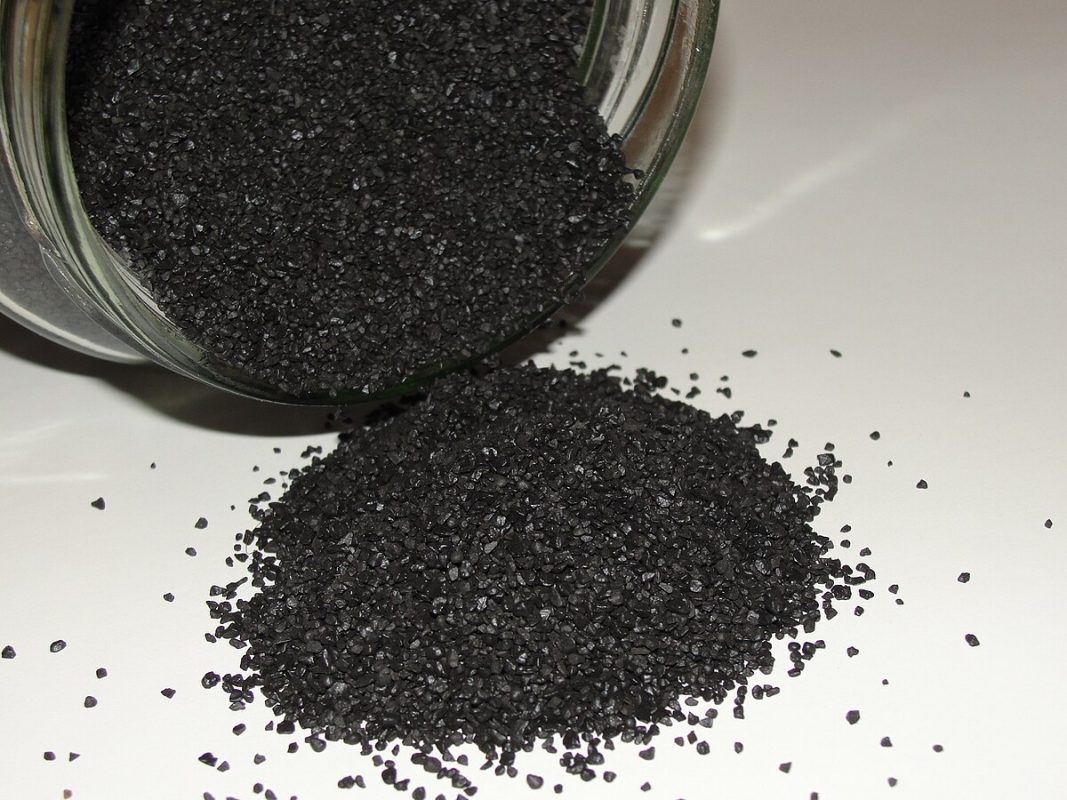
Smokeless Powder and Black Powder serve different purposes. Smokeless powder is preferred for modern firearms due to its higher energy density, cleaner burn, and reduced residue. This makes it more efficient and less maintenance-intensive for shooters.
On the other hand, black powder is still popular among enthusiasts for its historical value, distinctive smoke, and use in vintage firearms. Black powder is often used in reenactments, antique firearms, and by traditionalists who enjoy the unique characteristics it provides.
Regardless of the type, the 7,000 grains per pound measurement is consistent. Understanding these differences is crucial for reloaders to choose the right powder for their specific needs, whether for performance or historical accuracy.
Insights from the Reloading Community
- Accurate Measurements Are Crucial : Members of reloading forums like The Firing Line emphasize the importance of measuring powder accurately. Investing in a good grain scale is essential for safety and precision.
- Conversion Tips : One grain equals approximately 0.0648 grams—the powder grains to pounds conversion is 7,000 grains per pound. This conversion can be helpful for those outside the US who may use the metric system.
- Historical Perspective: The modern grain was established in medieval England, based on the weight of a grain of barley. This historical context provides insight into why the grain measurement is still used today in ammunition reloading.
- Terminology Clarity: Whether you read “grains in a pound” or “grains in a lb,” they refer to the same measurement standard.
Safety Tips for Reloading GunPowder
- Always Use a Quality Scale: Accurate grain measurement is the foundation of safe reloading. Even small errors can lead to dangerous overpressure situations.
- Store Gunpowder Safely : Whether you’re dealing with smokeless or black powder, always follow proper storage safety protocols to keep your gunpowder stable and secure.
- Avoid Cross-Contamination: Never mix different types of powder, as this can lead to unpredictable and potentially dangerous results.
Practical Tips for Getting the Most Out of Your GunPowder
- Use the Right Powder for Your Firearm : Always choose between smokeless and black powder based on your firearm’s specifications.
- Join Reloading Communities : Get involved in online forums to learn tips and tricks from experienced reloaders. Reloading discussions are a goldmine of useful information, especially for those just starting out.
- Maintain Proper Ventilation: Ensure you have good ventilation in your reloading area to minimize exposure to fumes and dust.
Conclusion
Understanding how many grains in a pound of gunpowder is the first step to becoming a successful and safe reloader. By remembering that there are 7,000 grains per pound and choosing the right powder for your specific needs, you can maximize your reloading efficiency while maintaining safety. Whether you’re loading for a rifle, pistol, or black powder firearm, grain accuracy is key to every shot you take.
Frequently Asked Questions
Question: How many grains are in a pound of gunpowder?
Short answer: There are 7,000 grains in one pound of gunpowder. This is a fixed weight conversion and it applies to all powder types—both smokeless powder and black powder. Whenever you’re converting powder weight, 7,000 grains per pound is the standard.
Question: Why do reloaders measure powder in grains, and what’s the metric conversion?
Short answer: Grains provide fine-grained precision for small charge weights, which is critical for safety and consistency in reloading. In metric terms, 1 grain is approximately 0.0648 grams, and a pound contains 7,000 grains. Using grains helps reloaders dial in exact charges specified by reputable load data.
Question: How many rounds can I reload from one pound of powder?
Short answer: It depends on the charge per round. As a quick estimate, divide 7,000 by the grains used per cartridge. For example, at 25 grains per rifle round you get about 280 rounds (7,000 ÷ 25), and at 5 grains per pistol round you get about 1,400 rounds (7,000 ÷ 5). Always follow published data for your specific caliber, bullet, and powder.
Question: What’s the difference between bullet grains and powder grains?
Short answer: “Grains” measure weight in both cases, but they refer to different things. Bullet grains describe the projectile’s mass, while powder grains describe the charge weight. They’re not interchangeable; always match bullet weight and powder charge to reputable reloading data for safe performance.
Question: How do smokeless and black powder differ, and does that change the grains-per-pound math?
Short answer: Smokeless powder has higher energy density, burns cleaner, and is standard in modern firearms. Black powder produces more smoke and is used in historical or traditional firearms. Despite these performance differences, the conversion is the same: both are measured in grains, and there are always 7,000 grains per pound. For safety, never mix powder types and always use the type specified for your firearm.