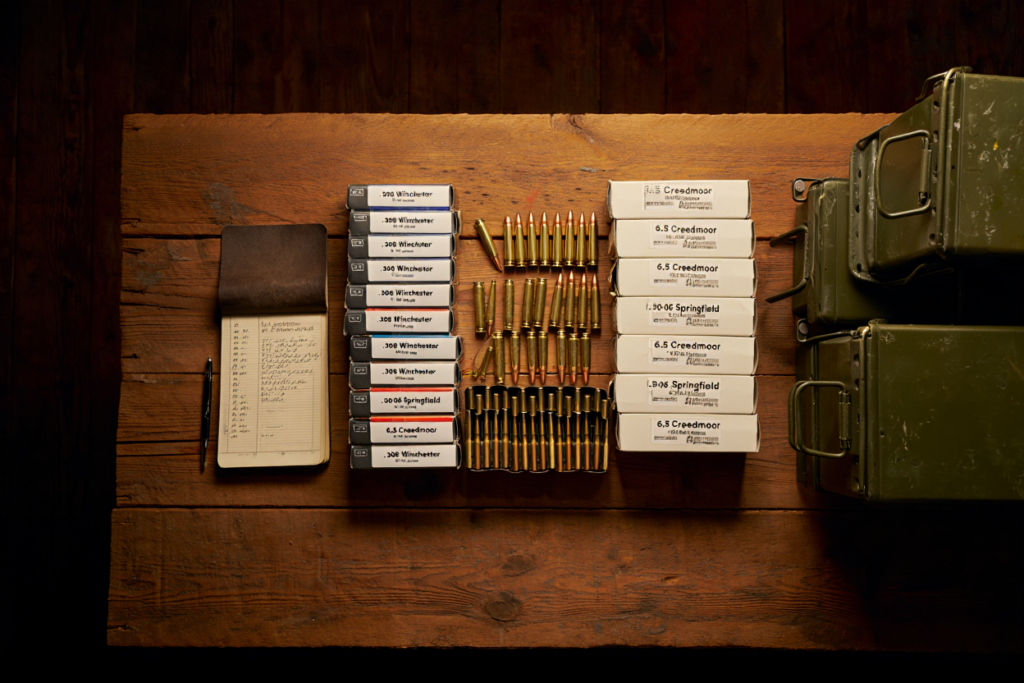
Ammunition availability has become a major concern for hunters over the past several years. Supply chain disruptions, increased demand, political uncertainty, and periodic shortages have made many hunters rethink how much ammunition they should keep on hand.
While some shooters maintain thousands of rounds for every firearm they own, others purchase ammunition only when hunting season approaches. The ideal amount falls somewhere in between and depends on your hunting habits, training schedule, and preparedness goals.
This guide explains how much ammo hunters should keep in stock, how to build a practical ammunition reserve, and how to store ammunition properly for long-term reliability.
Why Hunters Should Maintain an Ammo Reserve
Most hunters don’t shoot hundreds of rounds during actual hunting seasons. However, hunting ammunition serves several purposes beyond filling tags.
Hunters use ammunition for:
- Zeroing rifles
- Pre-season practice
- Skill development
- Competition shooting
- Predator control
- Hunting trips
- Emergency preparedness
Maintaining a reasonable inventory ensures you are never forced to pay inflated prices or scramble to find ammunition before a hunt.
The Minimum Hunting Ammo Supply
For hunters who only hunt a few days per year, a basic reserve should include:
Per Hunting Rifle
- 100 rounds of hunting ammunition
- 200–300 rounds of practice ammunition
This quantity allows:
- Annual rifle zero confirmation
- Regular practice sessions
- Backup ammunition for future seasons
For most casual hunters, this amount can last several years.
Recommended Ammo Inventory for Active Hunters
Hunters who regularly train throughout the year should consider larger quantities.
Deer Hunters
Recommended inventory:
- 200 rounds hunting ammunition
- 500 rounds practice ammunition
This supports:
- Multiple range sessions
- Annual sight-in verification
- Several hunting seasons
Elk and Western Hunters
Because western hunts often involve longer shooting distances, additional practice is usually necessary.
Recommended inventory:
- 200 rounds premium hunting ammunition
- 800–1,000 rounds training ammunition
Consistent practice is critical for ethical long-range hunting.
Ammo Quantities by Caliber
.308 Winchester
Suggested inventory:
- 200 rounds hunting ammunition
- 500–1,000 rounds training ammunition
.30-06 Springfield
Suggested inventory:
- 200 rounds hunting ammunition
- 500 rounds practice ammunition
6.5 Creedmoor
Suggested inventory:
- 200 rounds hunting ammunition
- 1,000 rounds practice ammunition
.223 Remington
Suggested inventory:
- 1,000–2,000 rounds
Because .223 is frequently used for predator hunting, target shooting, and training, larger quantities are often justified.
Should Hunters Buy Ammo in Bulk?
In many cases, yes.
Bulk purchases provide several advantages:
- Lower cost per round
- Consistent lot numbers
- Better availability
- Protection from shortages
Purchasing ammunition from the same production lot also helps maintain consistent ballistic performance.
Many experienced hunters purchase several boxes of their preferred hunting load whenever they find it available.
How Much Hunting Ammo Is Too Much?
The answer depends on your shooting habits.
Some competitive shooters and avid hunters maintain inventories measured in thousands of rounds. For casual hunters, excessive stockpiles may tie up unnecessary funds.
A practical goal is maintaining:
- One to three years of expected usage
- Additional reserve for shortages
This approach avoids panic buying while ensuring consistent availability.
Building an Ammo Reserve During Shortages
Ammunition shortages often create unnecessary panic.
Rather than purchasing large quantities all at once, consider:
Buy Consistently
Purchase a small amount every month.
Replace What You Shoot
For every box used at the range, buy another box when prices are favorable.
Watch Seasonal Pricing
Ammo prices often decline after hunting season and during slower retail periods.
Gradual accumulation is usually more economical than panic purchasing.
Hunting Ammo vs Practice Ammo
Many hunters make the mistake of using expensive hunting ammunition for every range session.
A better strategy is separating ammunition into two categories:
Hunting Loads
Premium ammunition used for:
- Hunting
- Final zero verification
- Important field practice
Examples include:
- Federal Premium
- Hornady Precision Hunter
- Barnes VOR-TX
- Nosler Trophy Grade
Practice Loads
Less expensive ammunition used for:
- Target shooting
- Skill development
- Position practice
This reduces costs while preserving hunting ammunition supplies.
Proper Long-Term Ammunition Storage
Modern ammunition can remain reliable for decades when stored correctly.
Ideal Storage Conditions
Store ammunition:
- In a cool environment
- In a dry location
- Away from direct sunlight
- Protected from humidity
Ammunition Cans
Military surplus ammo cans remain one of the best storage solutions.
Benefits include:
- Airtight seals
- Moisture protection
- Stackable design
- Long-term durability
Label Everything
Clearly label:
- Caliber
- Manufacturer
- Purchase date
- Lot number
Organization simplifies inventory management and stock rotation.
How Long Does Ammunition Last?
Modern ammunition stored properly can remain functional for several decades.
Many shooters successfully fire ammunition manufactured 30 to 50 years ago.
Factors that reduce shelf life include:
- Excessive moisture
- Extreme heat
- Corrosion
- Physical damage
Properly stored ammunition generally outlasts most shooters’ needs.
Emergency Preparedness Considerations
Many hunters maintain additional ammunition reserves for preparedness purposes.
Common recommendations include:
Hunting Rifle
- 500 rounds minimum
Defensive Rifle
- 1,000–2,000 rounds
Rimfire Rifles (.22 LR)
- 2,000–5,000 rounds
These quantities vary based on personal priorities and intended use.
Common Ammo Stocking Mistakes
Buying Too Many Different Loads
Switching between ammunition types can affect accuracy.
Find a load your rifle shoots well and stock it consistently.
Waiting Until Hunting Season
Demand and prices typically increase before hunting season.
Purchase ammunition throughout the year.
Ignoring Practice Needs
Many hunters underestimate how much ammunition is required for effective training.
Skill development requires regular shooting.
Final Thoughts
For most hunters, maintaining 200 rounds of hunting ammunition and several hundred rounds of practice ammunition per rifle provides an excellent balance between preparedness and practicality.
Hunters who shoot regularly may prefer larger inventories, while occasional hunters can maintain smaller reserves. The key is consistency: buy quality ammunition, store it properly, and replenish your supply before shortages occur.
In 2026, ammunition markets remain more stable than during recent shortage periods, but availability can still fluctuate. Building a reasonable reserve today ensures you are always ready for the next hunting season, range session, or unexpected opportunity in the field.